
Get a Better Night's Sleep with These 5 Tips
Getting a restful night’s sleep can feel like a luxury, but it’s an elusive goal for many of us. The good news is that sleep isn't set in stone; it’s a skill that can be cultivated with intentional habits and a few simple adjustments.

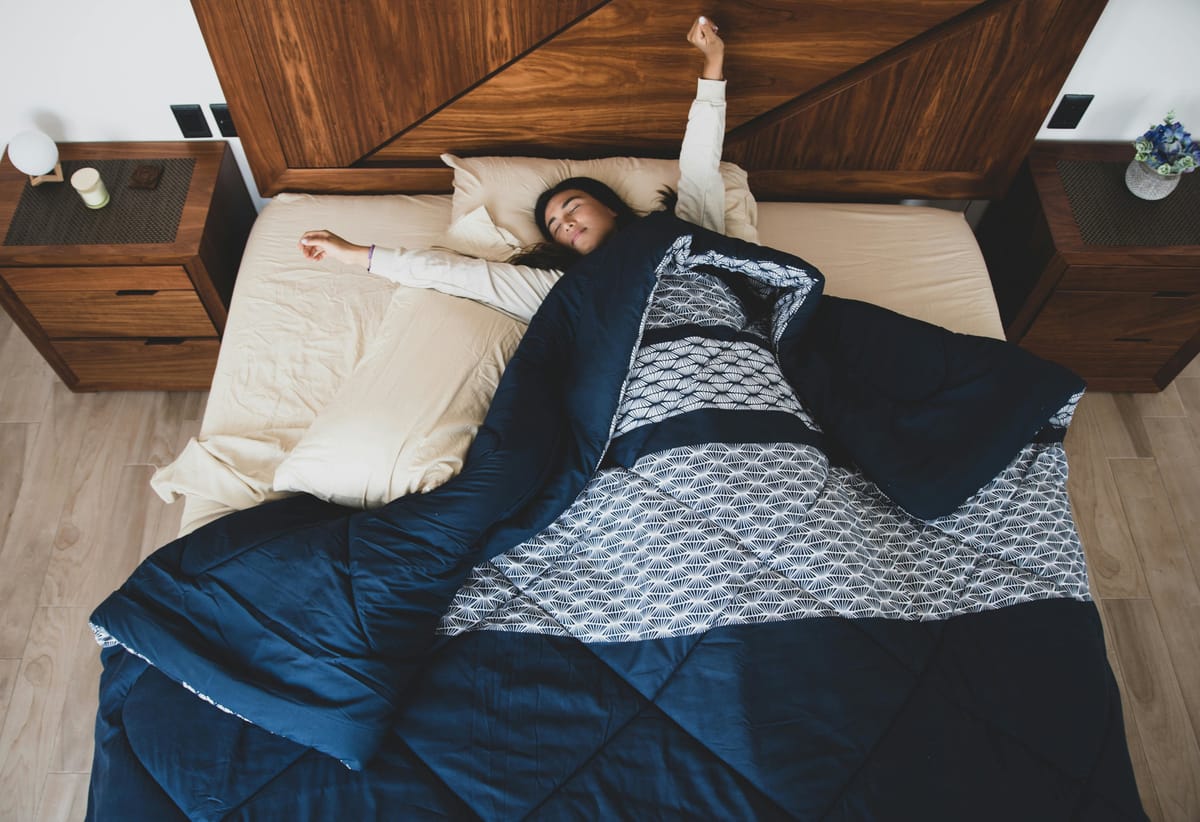
Getting a restful night’s sleep can feel like a luxury, but it’s an elusive goal for many of us. As a coach, I’ve seen how a chaotic schedule, digital distractions, and even the wrong sleep environment can hijack the body’s natural rhythm. When we’re sleep‑deprived, mood swings, sluggishness, and a weakened immune system become everyday companions.
The good news is that sleep isn't set in stone; it’s a skill that can be cultivated with intentional habits and a few simple adjustments.
In this post, we’ll explore some strategies that blend science and practicality, including setting a consistent bedtime to creating a bedroom sanctuary that invites deep rest. I’ll share how small changes like a bedtime routine, mindful breathing, and mindful use of technology can dramatically improve your sleep quality.
Consistency Counts!
Aim for the same bedtime every night. Keeping a routine helps your body adapt its circadian rhythm, turning "sleepy time" into an automatic habit instead of frustrating guesswork.
Create a Wind-Down Ritual
A simple ritual before bedtime can help get your brain into sleep mode. Try a few gentle stretches, a breathing exercise, or turning on some soft, relaxing music.
Avoid Caffeine and Alcohol Before Bed
You probably already know that caffeine can keep you up, so skip it after 2:00 p.m. or so. An alcoholic nightcap might help you get to sleep, but it can lower your sleep quality by messing with your REM sleep. If you're drinking, finish your last drink at least three hours before bed.
Ditch the Screens
Studies show that blue light from screens can have a negative effect on sleep duration and quality. So switch off the TV, tablet, or phone at least 30 minutes before you go to sleep. You can also use night mode on your device to help reduce the effects, but no screen is still better. Instead, grab a book from the library and keep it on your bedside table.
Keep the Naps Short
If you're lucky enough to get a nap, keep it short. Research shows that longer naps can make it harder to fall asleep at night. Keep your naps to 20 minutes or less, especially after 3:00 p.m.
Bonus Tip: Avoid Intense Exercise Before Bedtime
This may sound strange from a fitness coach, but it's best to avoid intense exercise within 2-3 hours of bedtime. It can increase heart rate and core temperature, making it harder to get to sleep. Try some gentle yoga or stretching and save the run or HIIT for earlier in the day.
Summary
So there you have it - a few quick and easy ways to help improve your sleep. Don't stress out if you have a bad night, get to bed late, or wake up too early. Being more consistent over time is the most important thing and while you may be tired the next day, one or two rough nights shouldn't disrupt your entire schedule.
Be sure to sign up to get more tips on fitness, wellness, and healthy eating. And check out my coaching plans if you're interested in personalized coaching.